
Eco-Friendly Plumbing Solutions for Homes
Eco-friendly plumbing means installing fixtures and systems that use less water and energy, reducing the strain on natural resources and household budgets. High-efficiency toilets, for example, use as little as 1.28 gallons per flush compared to older models that can use over 3 gallons. Low-flow showerheads and faucet aerators cut water use by up to 60 percent without sacrificing performance. In a typical home, these upgrades can lower annual water bills by over $100, though savings rise sharply in regions with higher water rates. Some solutions require a larger upfront investment, but the reduction in utility costs often pays back the difference within a few years.
How do eco-friendly plumbing systems save water
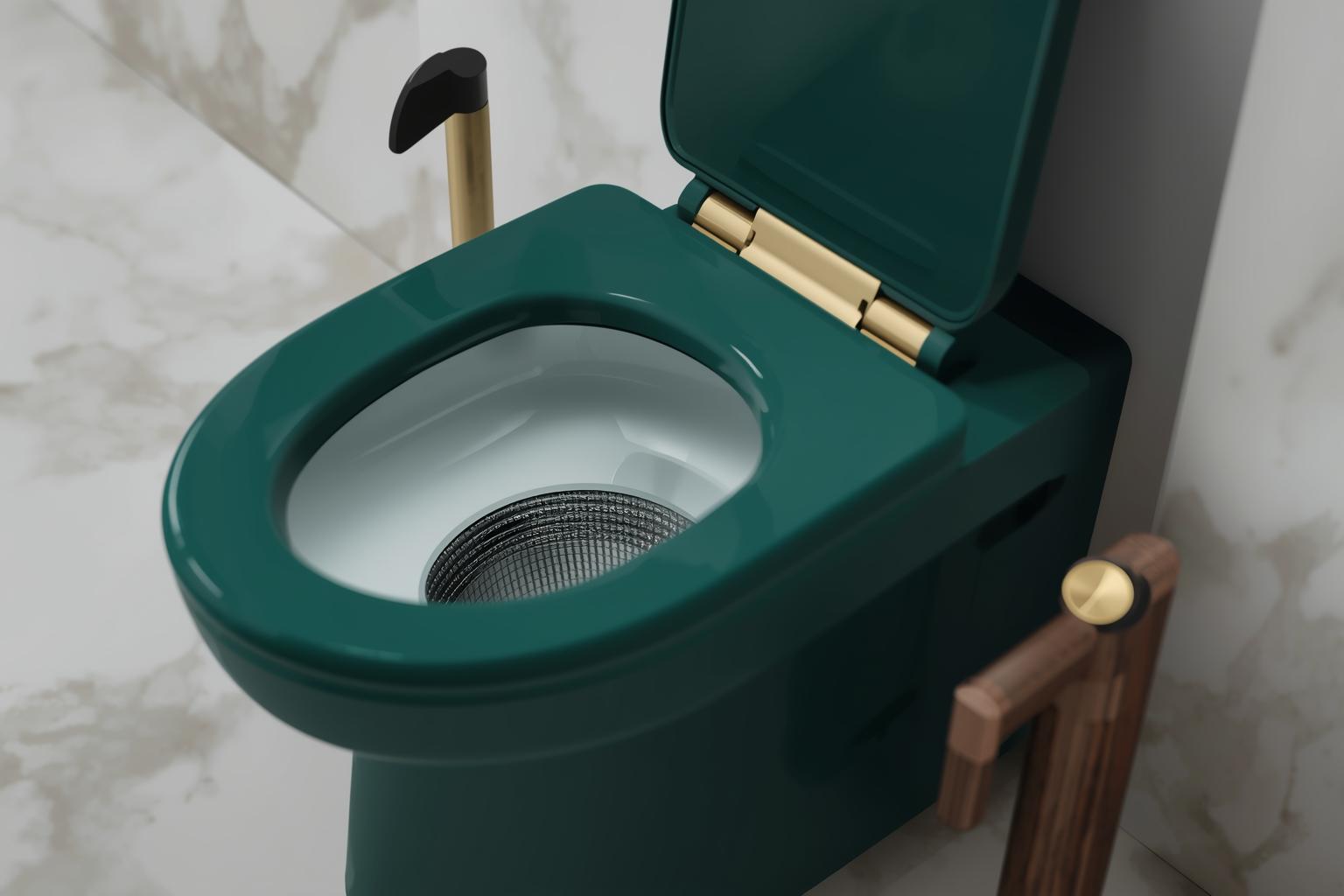
Low flow fixtures and greywater systems cut household water use without sacrificing comfort. Unlike standard plumbing, these designs reuse water from sinks or showers for flushing or irrigation, and employ advanced sensors to limit waste. The result is less strain on local water supplies and a direct drop in utility bills.
Low-flow fixtures in daily use
Replacing standard toilets and showerheads with water saving models can cut visible household use. These changes matter most in homes with high daily demand or older plumbing.
Water saving toilets use strong gravity or dual flush mechanisms to clear waste with less water. Standard toilets often use three times more for each flush. In a family bathroom, this single update can shift daily use patterns.
Faucets and showerheads designed for low volume rely on aerators and pressure adjustments. Instead of forcing water through at full pressure, they add air, spreading the flow while reducing output. Most users notice only a slight change in sensation, not performance.
Homes with many occupants see the largest impact from these upgrades. Installation is quick and does not require major renovation.
Greywater reuse at home
Greywater reuse systems take household wastewater from sinks, showers, and washing machines and give it a second job before disposal. This approach stands out where outdoor irrigation or toilet flushing accounts for a big share of total water use. Key features and practical limits shape where such setups fit best:
- Dual plumbing – separate pipes channel greywater away from the sewer
- Filtration units – remove hair, lint, and soap for safe reuse
- Holding tanks – store treated water for yard or toilet use
- Automatic diverter valves – direct flow based on water quality or system needs
Local codes, soil conditions, and family size can make or break the case for installation. In homes with large gardens or frequent laundry cycles, the payoff in reduced water bills and environmental impact is most visible.
Smart plumbing upgrades reduce both consumption and waste over time. Households see real benefits in water availability and lower environmental impact after switching to these solutions.
Which plumbing materials are most sustainable
Copper and PEX pipes stand out for their lower environmental impact compared to traditional PVC. Both materials resist corrosion and have long service lives, which reduces waste over decades.
Copper is fully recyclable without loss of quality, making it one of the most sustainable metals for plumbing. PEX, a flexible plastic, uses less energy in production and shipping than rigid metal pipes. Conventional PVC, by contrast, releases toxic substances during manufacture and disposal.
Fixtures made from stainless steel, brass, or recycled materials lower the environmental footprint further. Choosing certified products with proven durability helps prevent leaks and cuts down on replacements.
What are the upfront costs and savings
Low flow toilets and tankless water heaters often require a higher initial investment than standard models. Upgrading pipes to reduce leaks or installing greywater systems can increase upfront costs but may prevent expensive water damage or high utility bills over time.
Comparing installation expenses
Material choice shifts the balance of cost between eco friendly and conventional plumbing setups. Upfront expense can rise with sustainable products, but longer term savings or rebates sometimes offset the difference.
| System Type | Initial Equipment Cost | Labor Complexity | Potential Rebates | Longevity Impact |
|---|---|---|---|---|
| Standard PVC piping | Lowest | Basic installation | Rarely available | Shorter lifespan under high heat |
| PEX with water saving fixtures | Moderate | Standard skills needed | Occasional utility credits | Good durability |
| Copper with low flow toilets | High | Specialized labor often required | Sometimes offered for fixtures | Excellent if water quality is stable |
| Rainwater harvesting integration | Highest | Custom design and complex fitting | Possible local incentives | System components need maintenance |
| Greywater recycling unit | High | Special permits and skilled work needed | Frequent rebates in drought regions | Components may need more frequent replacement |
Project timelines often extend when local permits for advanced systems are slow to approve. Rainwater and greywater setups may also face stricter building code requirements during installation.
Long-term savings on bills
Rainwater collection tanks and low flush toilets can cut yearly utility costs when installed in homes with high water use. Savings remain significant even in regions without water scarcity, since energy needed for hot water also drops. Each method reduces ongoing expenses in a different way:
- Rainwater collection system – less reliance on municipal water supply
- Low flush toilets – reduced water consumption per use
- Tankless water heater – heats only as needed, lowering energy usage
- Greywater reuse setup – irrigates gardens with lightly used water
- Efficient showerhead – lowers both water and heating bills
Households with large families or frequent guests see the biggest benefit from these solutions. Rebates from local utilities often cover part of the initial investment for water saving technologies.
Long term savings on water and energy bills can offset the higher initial price of eco friendly plumbing. Households in regions with high water rates or frequent drought see the quickest payback from these upgrades.